The construction sector faces brunt of disruptions caused by Gulf conflict as shipping chaos through the Strait of Hormuz hits hard. Contractors in the UAE and Saudi Arabia grapple with soaring costs, delayed shipments and fresh financial worries. The trouble stems from ongoing Gulf tensions that have slashed vessel traffic in this key waterway, vital for one-fifth of the world’s oil and LNG trade.
Shipping routes turn chaotic
Security fears and skyrocketing war-risk insurance have forced ships to reroute or hold back. Iran’s Revolutionary Guard Corps warned on Monday that the Strait of Hormuz stands “closed,” threatening to torch any passing vessel. Even short of a full blockade, shipowners play it safe, creating pile-ups at Gulf ports.
Experts like Abhi Rajendran from Rice University’s Baker Institute point out that avoidance alone jacks up insurance and snarls global logistics. Capt Farhad Patel of Sharaf Shipping Agency adds that owners prefer to wait or divert rather than chance it. Freight forwarders now flag longer routes or shifts to other hubs for clients.
Logistics costs surge ahead
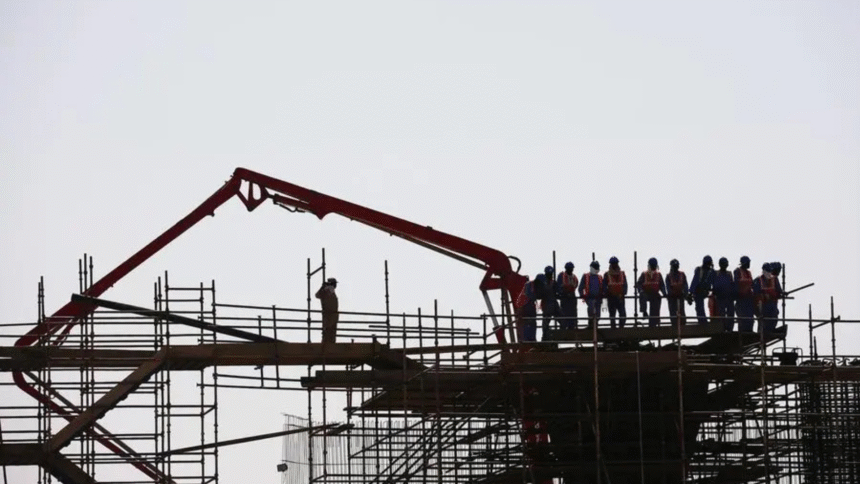
The Gulf’s construction sector faces brunt of disruptions caused by the Gulf conflict through pricier freight and stretched timelines. Imports of steel, rebar, aluminium parts and heavy gear from Asia and Europe now carry 50-80% higher rates if risks linger, thanks to added insurance and security fees. UAE and Saudi contractors report wild swings in quotes, forcing teams to pad schedules for high-rises and infrastructure jobs.
Higher oil prices from supply jitters also hike cement, steel and fuel costs across the board. This ripples from quarries to ready-mix trucks and site generators, pushing up project bills even if materials trickle in.
Materials and manpower hit
Steel traders bake in extra margins for shaky delivery times. Staff woes pile on, with flight cuts delaying rotations, new hires and specialists for key phases. This stalls testing and handovers when supply lines already falter.
Longer hauls mean bigger stockpiles, locking up working capital. Banks and insurers may pull back on private projects amid geopolitical heat, though mega government schemes should chug along. Private real estate and hotels risk slipping if investors get cold feet.
Outlook stays tense
A quick flare-up might mean short cost blips and tweaks. But a drawn-out Hormuz snag spells big trouble, think contract tweaks, price hikes and supply crunches. GCC builders eye sea alerts, insurance shifts and commodity swings, tweaking buys in one of the roughest logistics spells in years.
Firms that weathered past shocks now brace for the unknown, balancing resilience with real risks to timelines and budgets.