American architects are leading a significant effort to revive Iraq’s ancient Sumerian heritage by restoring the Dublal-Makh court in the city of Ur, recognized as the world’s oldest known court of law. This project forms part of Iraq’s ongoing campaign to rejuvenate tourism and safeguard its unique archaeological sites, which have faced neglect and damage due to decades of conflict.
The country aims to position itself as a cultural destination, akin to Egypt, by investing in site restoration and creating new tourist attractions.
Sumerian Court Restoration
The Dublal-Makh court, located in the Dhi Qar province in southern Iraq, is at the heart of the country’s heritage revival plans. Historically considered the first house of justice, the ancient Sumerian court dates to the mid-second millennium BC, with later modifications around 650 BC.
A U.S. mission is overseeing restoration efforts, which include the court and associated temples and structures central to early Mesopotamian civilization. This initiative is supported by Iraqi authorities and local archaeological teams.
Ur Archaeological Project
The restoration of the Dublal-Makh court is part of a more extensive scheme to rebuild and develop the ancient city of Ur. The master plan includes the construction of an international museum, a Sumerian theatre, and Iraq’s first opera house, designed to seat about 1,250 visitors.
The newly planned Ur museum will feature over 10,000 Sumerian artifacts housed in climate-controlled displays, including roughly 650 items excavated in recent years. While work was scheduled to be completed by late 2025, recent national elections delayed the inauguration until early 2026.
Boosting Iraq’s Tourism
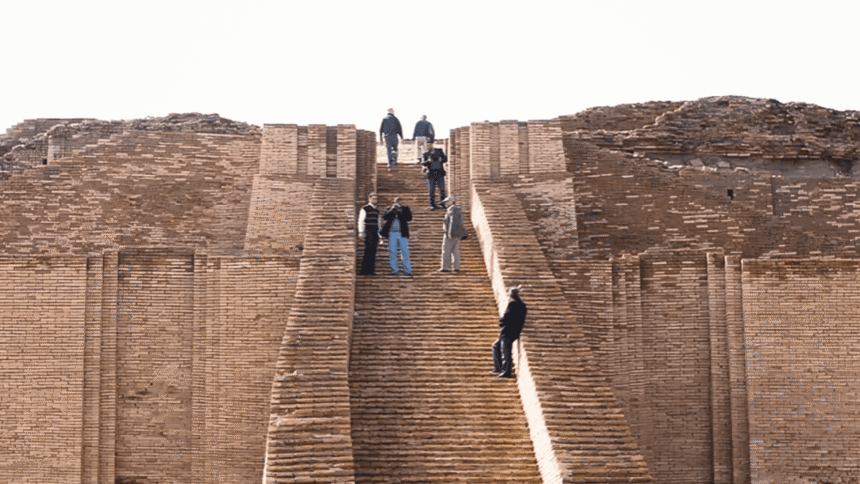
Iraq has experienced growing success in its tourism sector, which saw a 25% increase in revenue to $5.7 billion in 2024, up from $4.6 billion the year before. Although religious tourism remains the main driver, there is a marked shift towards historical and cultural sites like Ur and the nearby Ziggurat of Ur, one of the world’s most iconic ziggurats and a UNESCO World Heritage site since 2016.
Restoration work also prioritizes protective measures such as new fencing, lighting, and updates to site infrastructure to ensure visitor safety and artifact preservation. Local and foreign experts, including the World Monuments Fund, are working in concert with Iraqi authorities to establish sustainable, community-based tourism linked to heritage sites.
Sumerian Legacy
The Sumerian civilization, often credited with founding the world’s earliest urban centers and systems of justice, remains fundamental to Mesopotamia’s enduring global relevance. The restoration of the Dublal-Makh, a temple-court complex, demonstrates Iraq’s commitment to showcasing these ancient roots through careful preservation and educational initiatives.
Besides providing cultural and historical context, the project offers economic opportunities for local communities and is expected to inspire further international collaboration in heritage conservation.
Museum and Tourist Attractions
The new Ur museum, built near the ancient ziggurat, is almost completed and is set to open to the public in the first quarter of 2026. It is expected to play a central role in Iraq’s cultural tourism strategy, offering visitors access to thousands of artifacts and a modern educational center. With these developments, Iraq hopes to balance the economic benefits of tourism with ongoing efforts to protect its archaeological legacy.